
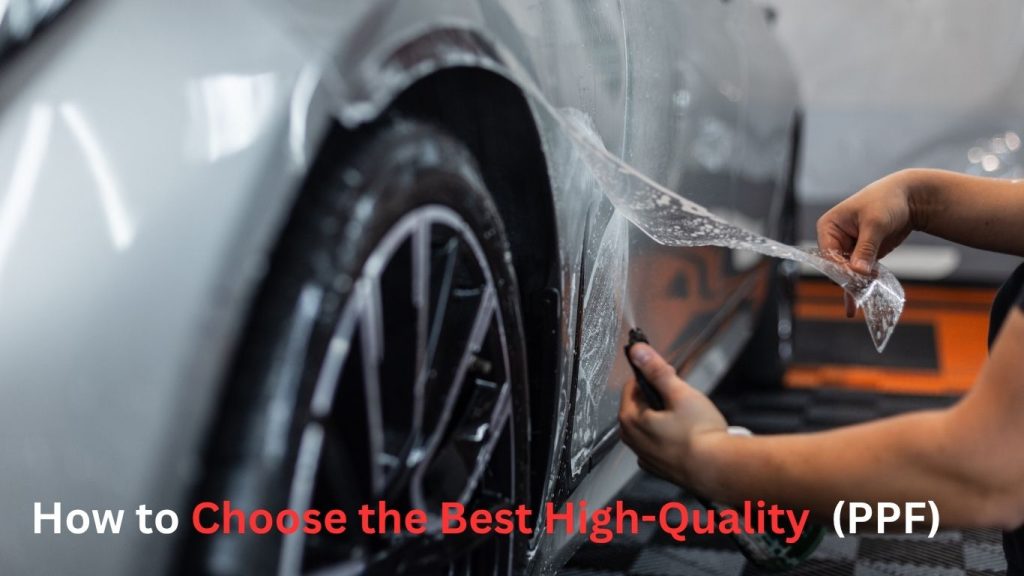
How to Choose the Best High-Quality Paint Protection Film (PPF): The Complete Buyer's Guide
Buying a new car is an exciting investment, and protecting its showroom finish should be a top priority. Every time you drive, your vehicle is exposed to stone chips, road debris, scratches, UV rays, bird droppings, tree sap, bug splatter, hard water stains, and harsh weather conditions. Over time, these everyday hazards can damage your car’s paint, making it look older and reducing its resale value.
One of the most effective ways to preserve your vehicle’s appearance is by installing High-Quality Paint Protection Film (PPF). However, not all PPF products are created equal. With so many brands, materials, thicknesses, and installers available, choosing the right Paint Protection Film can be confusing.
This comprehensive guide explains everything you need to know about selecting the best High-Quality Paint Protection Film for your vehicle, ensuring long-lasting protection and peace of mind.
What Is Paint Protection Film (PPF)?
Paint Protection Film (PPF), also known as Clear Bra, is a transparent polyurethane film applied to the painted surfaces of a vehicle. It acts as an invisible protective layer that absorbs impacts and prevents damage caused by everyday driving.
Unlike waxes or ceramic coatings that mainly protect the surface from contaminants, PPF provides physical protection against scratches, stone chips, road debris, and minor abrasions while maintaining your car’s original finish.
Modern premium PPF also features advanced technologies such as:
- Self-healing surface
- UV resistance
- Hydrophobic coating
- Stain resistance
- Scratch resistance
- Yellowing resistance
- High-gloss finish
Why Choosing the Right PPF Matters
Many car owners focus only on price, but cheaper films often have poor durability, reduced clarity, weaker adhesives, and limited warranties. Low-quality PPF may peel, crack, discolor, or lose its shine within a few years.
Investing in a premium Paint Protection Film ensures:
- Long-lasting protection
- Better optical clarity
- Stronger impact resistance
- Improved appearance
- Easier maintenance
- Higher resale value
1. Check the Material Quality
The first thing to consider is the material used to manufacture the Paint Protection Film.
The highest-quality PPF is made from Thermoplastic Polyurethane (TPU), known for its flexibility, durability, and self-healing properties.
Avoid low-cost PVC-based films, which are less durable and more prone to yellowing and cracking.
Best Choice: TPU-based Paint Protection Film.
2. Look for Self-Healing Technology
Modern premium PPF features self-healing technology, allowing light scratches and swirl marks to disappear when exposed to sunlight or warm water.
This keeps your vehicle looking newer for longer and reduces the need for polishing or paint correction.
3. Choose Excellent Optical Clarity